Notes on happenings, conversations, readings and reflections
INSPIRE
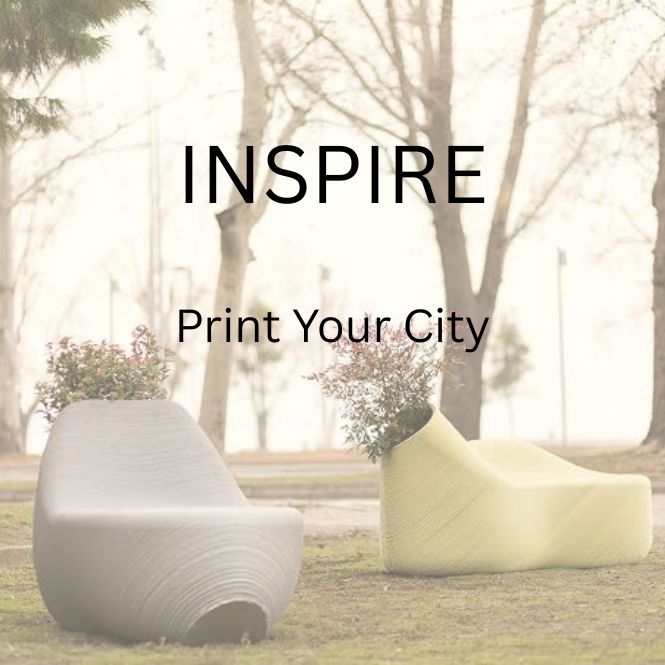
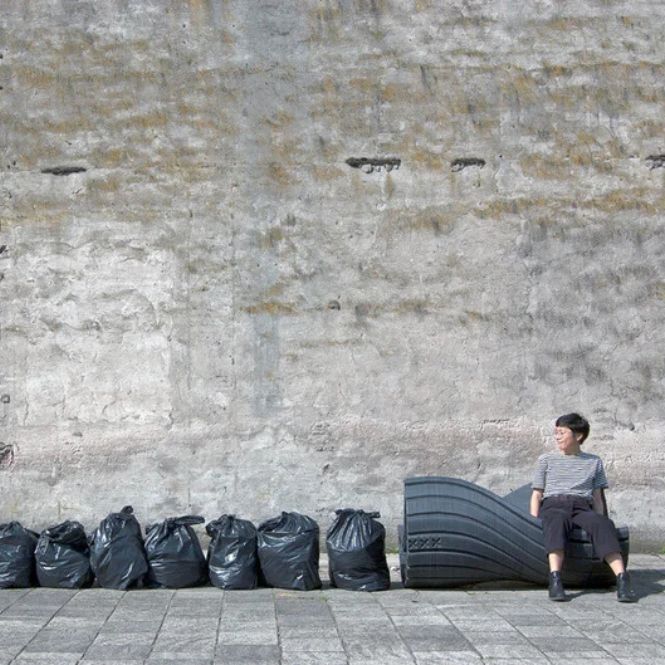
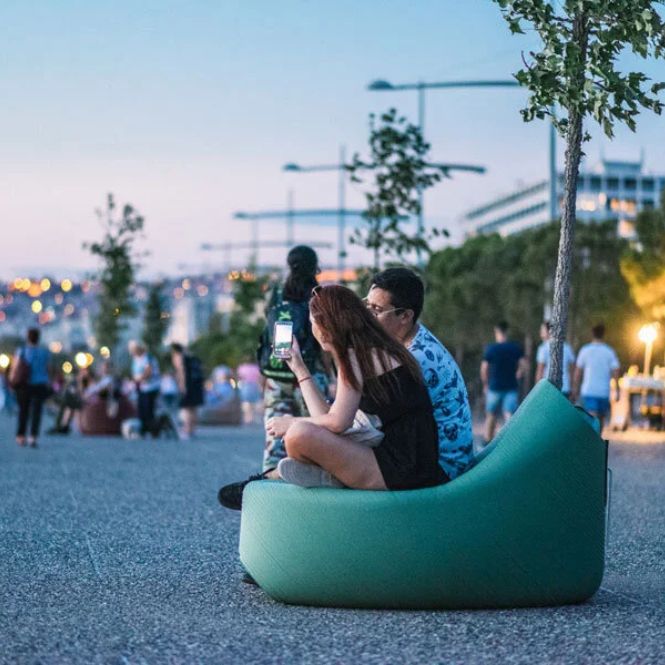
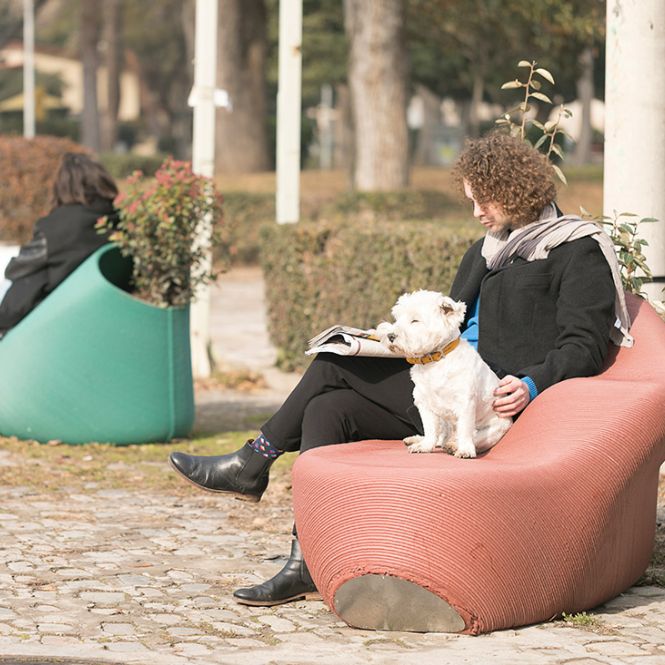
Connecting people with place through the process of design, material choices and populating public space. An inspirational project example of an engaging circular design process from Print Your City.
Read More
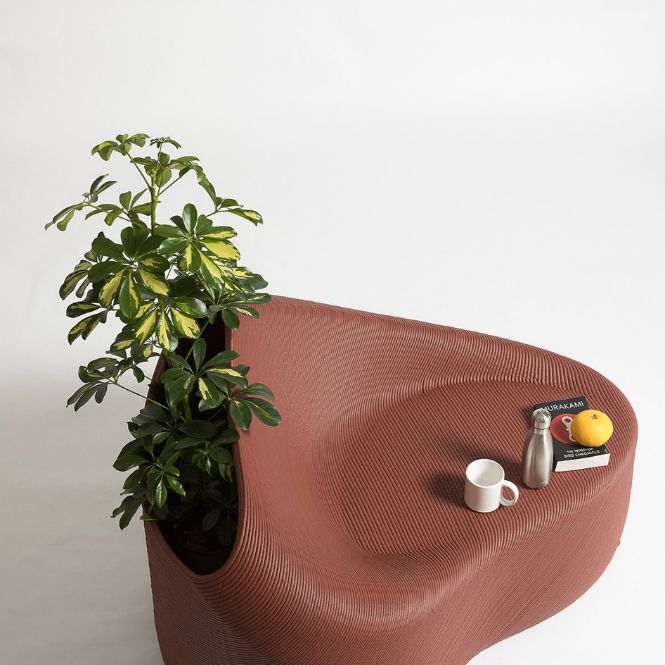
Finding project examples that are inspirational to a project brief help to show what’s possible in our perception of materials. This innovative project served to prove that not only can innovative approaches to waste be valuable but that community engagement can bring a product to life with a greater purpose.
Through material and product design, it connected people with place, while the process of making and using the furniture introduced opportunities for participation, interaction and shared ownership.
Print Your City was originally pioneered as a commission within Amsterdam’s Circular City Program, a research initiative exploring how public furniture could be produced from local waste streams.
The furniture was not an isolated product being dropped into a space, but a catalyst for activating public space and community engagement in the waste that is produced by households.
WORLD DESIGN CONGRESS
This week the Design Council hosted the World Design Congress at the Barbican – jointly broadcasting on line. It was a great event and all credit to Minnie Moll and her team for the line up and the seamless production.
Jam packed with inspirational speakers, thought provoking conversations and real world examples of design making a difference it covered many perspectives but none more so than…
“human centred design needs to shift to nature focused design”
The content is available to view on line and it’s a bargain at £5 for a pass.
To cherry pick a few from the Tuesday programme…
– Designing the Economy We Need: Missions, Doughnuts, and Radical Collaboration (Kate Raworth, Mariana Mazzucato, Danny Sriskandarajah)
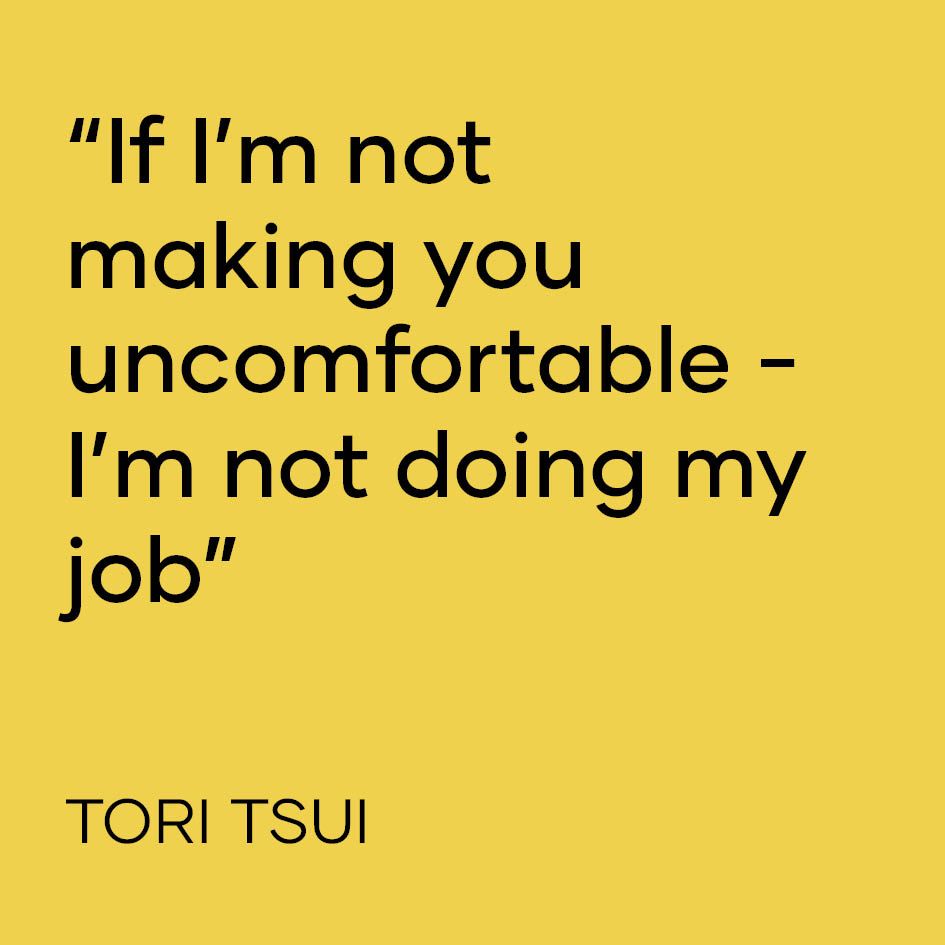
– The Legacy We Leave (Brian Eno, Tori Tsui, Max Fraser)
and from Wednesday..
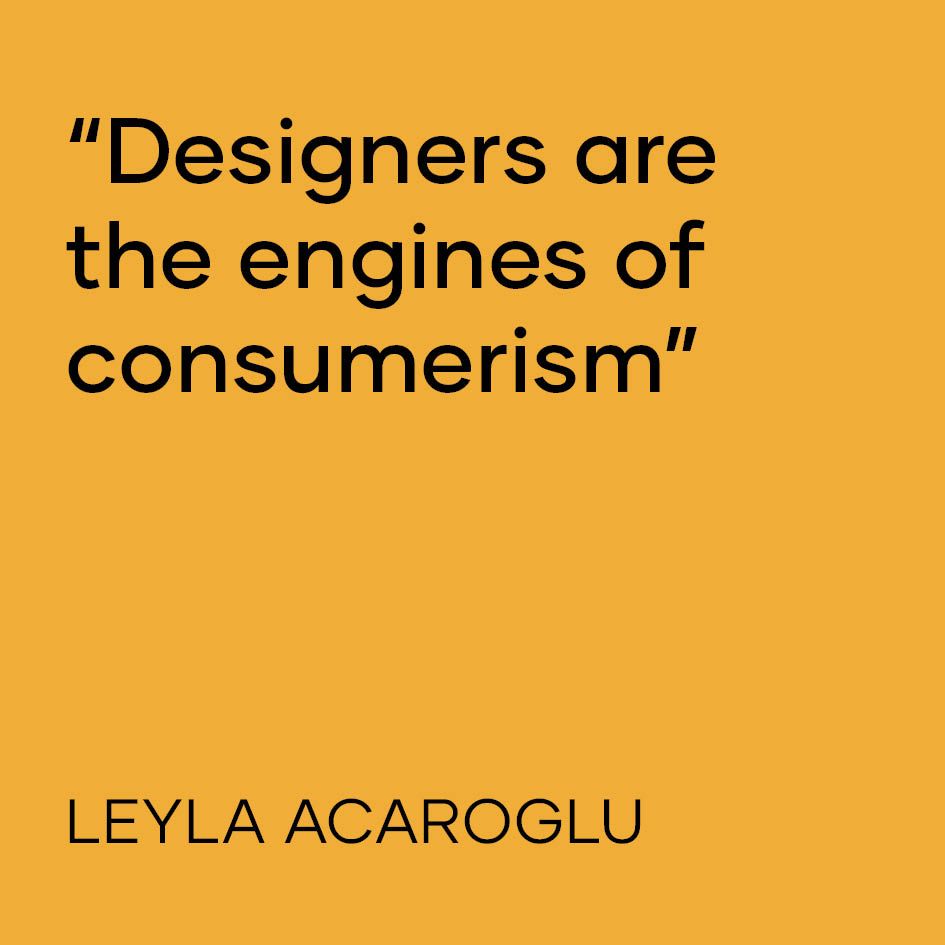
– Global Greenprints: Designing Resilient Futures (Leyla Acaroglu)
– Designing the Age of Stewardship (Indy Johar)

CLIMATE ACTION WEEK
A great number of online events if you’re not hitting central London in person – join some of my favourite picks on lin…
‘Making a business case for regenerative design’
‘Leading with courage for a sustainable world’
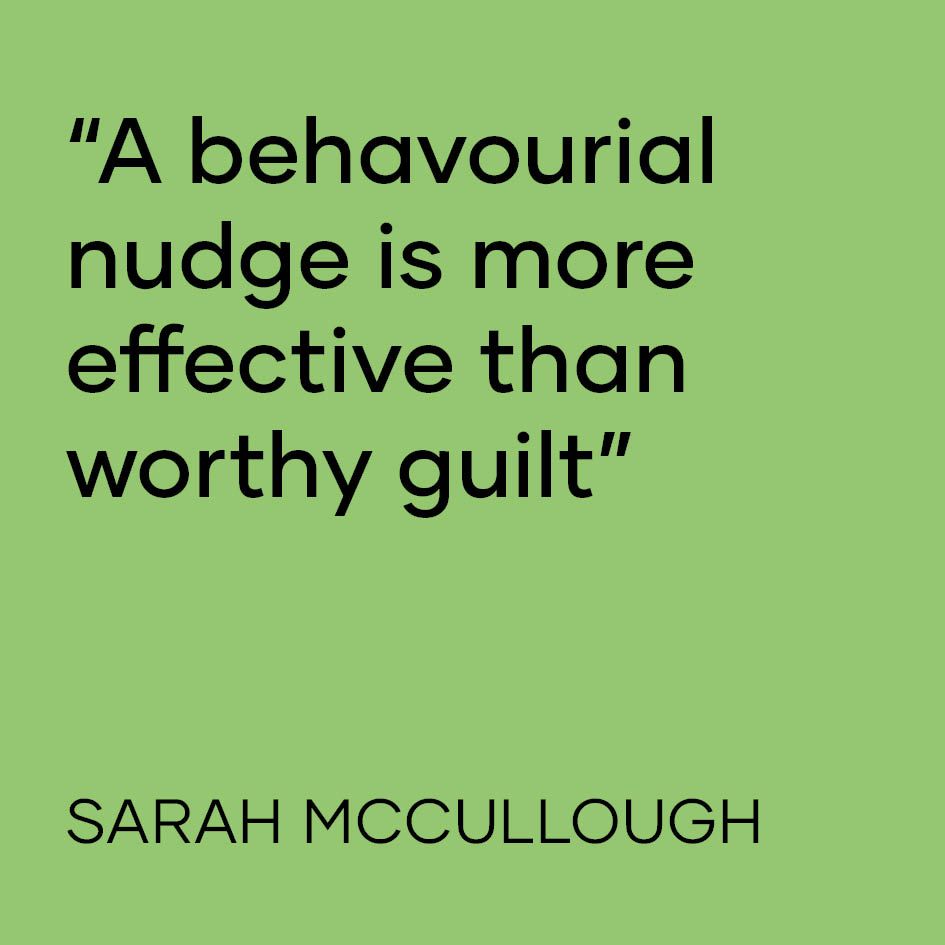
‘The behavioural and culture change sustainability challenge’

DIRTY BUSINESS
This Channel 4 documentary is essential viewing to understand the environmental issues that affect our water sources.
It’s a grim reality but one that could be changed and public engagement is key to the campaign. Amazing work by Surfers Against Sewage.

NATIONAL EMERGENCY BRIEFING
Do seek out an opportunity to join a screening of this film. The arguments put forward are evidence of the need for urgent action on mitigating climate breakdown.
I keep coming back to one question: why not support the case for action? If we’re hedging our bets on the impact of breakdown or the frequency of extreme events then choosing action over inaction seems like a good choice.
Thanks to my local council for hosting a screening and facilitating the discussion afterwards. We talked about what people can do individually, as well as how we should be pressuring our local MPs and government to act.
BIOPHILLIC DESIGN CONFERENCE
The Journal of Biophilic Design Annual Design Conference confirmed without doubt about the importance of connecting with nature.
35+ speakers shared insights that expanded biophilic design way beyond having a few plants in your office.
Connection with nature is essential to human productivity and happiness. You don’t need to run deep into the woods to feel the benefits – through thoughtful design we can shape spaces that allow us to experience biophilia every day, with many positive outcomes.
Tye Farrow‘s presentation cited that “there is no such thing as neutral space,” which really brings home that we are continually influenced by our environment, even when we don’t realise it.
Increased sickness absences, rising anxiety and depression, and higher rates of obesity and asthma could all be positively influenced by a better understanding and implementation of biophilic design.
That’s not just bringing nature inside with more of those lovely plants, but also providing spaces outside where we can be in it — surrounded by the full spectrum of light, hearing the sounds, seeing the sky, feeling the cold, feeling the warmth. We need it all.
If you’re data-driven, there’s plenty of evidence to support this, but I would also urge you to go with how you feel. Getting outside really does make a difference to how you feel – it’s intangible but it’s real, and this is the metric to focus on.
Huge well done to Vanessa Champion PhD for creating and delivering this event!